The wrong layer or bag size can cost you comfort or delay you at the cloakroom before a Melbourne performance begins. For what to wear to the theatre in Melbourne, official guides from Opera Australia and The Australian Ballet confirm there is no compulsory dress code for standard performances, and Marriner Group’s conditions of entry for the Regent, Princess and Comedy theatres likewise state there is no dress code while asking patrons to wear proper footwear and avoid thongs or flip-flops.
Short answer: separate compulsory venue entry conditions from personal style preferences before you choose an outfit. For a regular ticketed matinee or evening show, clean jeans, office wear, tailored trousers or a cocktail dress are all accepted by major presenters, provided your shoes are safe for stairs, your bag fits within venue limits (no larger than A4 size inside Marriner Group auditoriums, checked on 17 October 2026), and you bring a quiet extra layer for cool auditorium air. Only opening nights, galas, corporate hospitality boxes or themed events with a stated invitation requirement call for a stricter dress code.
This guide compares the official rules published by Melbourne presenters and theatre operators, maps out what to wear across daytime matinees, post-work evening shows and special invitations, and gives you an editorial checklist for seated comfort, coat storage and pre-show checks.
Do Melbourne theatres have a compulsory dress code?
No single rule governs every auditorium in the city. The What’s On Melbourne theatre directory, checked on 17 October 2026, spans heritage commercial venues such as the Regent Theatre, Princess Theatre, Her Majesty’s Theatre, Comedy Theatre and Athenaeum Theatre, precinct stages such as Arts Centre Melbourne, Southbank Theatre and Fairfax Studio, and smaller independent or cabaret spaces such as La Mama Courthouse and Speakeasy Theatre. Because a city listing covers everything from daytime family shows and Fringe comedy to opera and ballet, you should check both the presenter’s audience guide and the venue’s conditions of entry.
| Presenter or venue operator | Official dress code statement | Footwear, layer and fragrance notes | Bag, headwear and cloakroom rules |
|---|---|---|---|
| Opera Australia (The Ultimate Guide to Going to the Opera) | “There’s no compulsory dress code. Wear what you’ll feel comfortable in.” Notes cocktail dresses, chinos, business suits, Sunday best and daytime tourist clothes in the same audience | Recommends an extra layer because the theatre can get cold (and warm, weather-proof clothing for outdoor stages); asks patrons to avoid strong fragrances | Sends a pre-performance email guide a few days before the show with running times and interval details |
| The Australian Ballet (Going to the Ballet) | States it is “perfectly acceptable to arrive in jeans or straight from the office”, while welcoming sparkles, sequins, gowns and tails if you wish to dress up | Advises choosing “the comfy kind” of ensemble so a tight seam does not distract you while seated | Notes that latecomers must wait outside the auditorium and watch on a monitor until a suitable break, often the first interval |
| Marriner Group (Princess Theatre, Regent Theatre, Comedy Theatre, Forum Melbourne) | “While there is no dress code, we recommend proper footwear for your safety.” | Explicitly asks patrons to avoid wearing thongs/flip-flops for safety | Patrons may be required to remove hats, hoods, masks or helmets on entry; bags larger than A4 size and umbrellas cannot enter the auditorium and must be cloaked |
| Melbourne Theatre Company (Southbank Theatre & MTC productions) | No compulsory clothing dress code published in visitor FAQs | Cold drinks and ice-creams from foyer bars are allowed inside the auditorium; hot drinks and other food are not permitted | Free cloakroom available next to the box office at Southbank Theatre; recommends avoiding large bags or bulky items wherever possible |
Two practical boundaries stand out in those official pages:
- Comfort and safety rules are real, even when formality is optional. A venue that welcomes denim will still enforce bag-size limits, ask you to remove a hood or hat at security, or advise against flip-flops on steep circle stairs.
- Standard season guidance does not override a special invitation. If your ticket is for an opening-night function, charity gala, sponsor lounge or dress-up musical night, follow the wording on that specific invitation rather than general first-timer FAQs.
Takeaway: Check the venue’s conditions of entry for footwear, bag size and umbrella rules, then dress to the formality level you enjoy.
How does your outfit change for a matinee, post-work evening or special invitation?
Once you know whether your ticket is for a standard performance or an invitation event, match your clothes to the time of day and how you are travelling into the city. The matrix below is our editorial planning tool combining the official presenter guidance above with practical Melbourne transit and seating constraints.
| Performance context | Matinee / daytime show | Post-work / weekday evening show | Weekend evening / dressed-up night out |
|---|---|---|---|
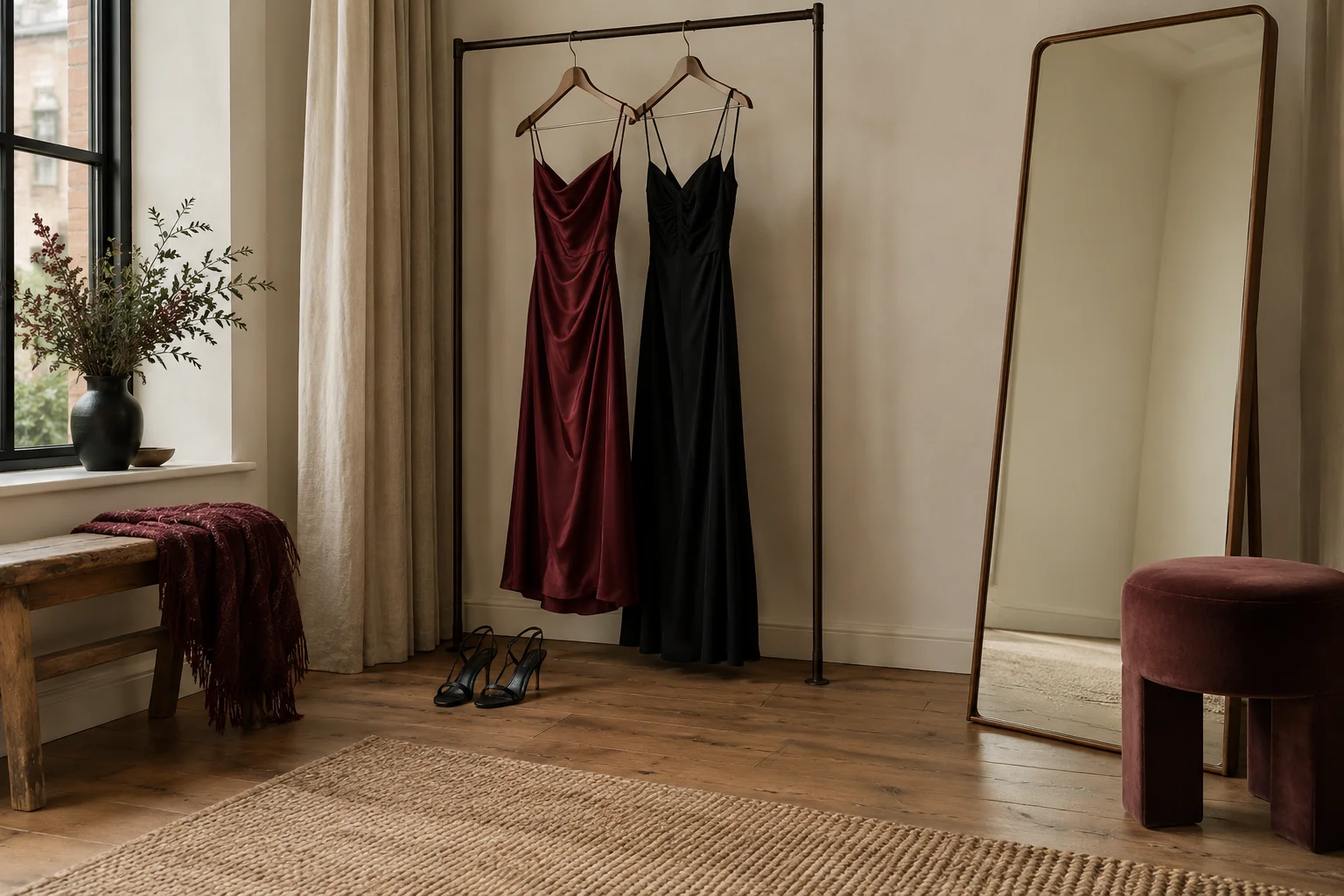
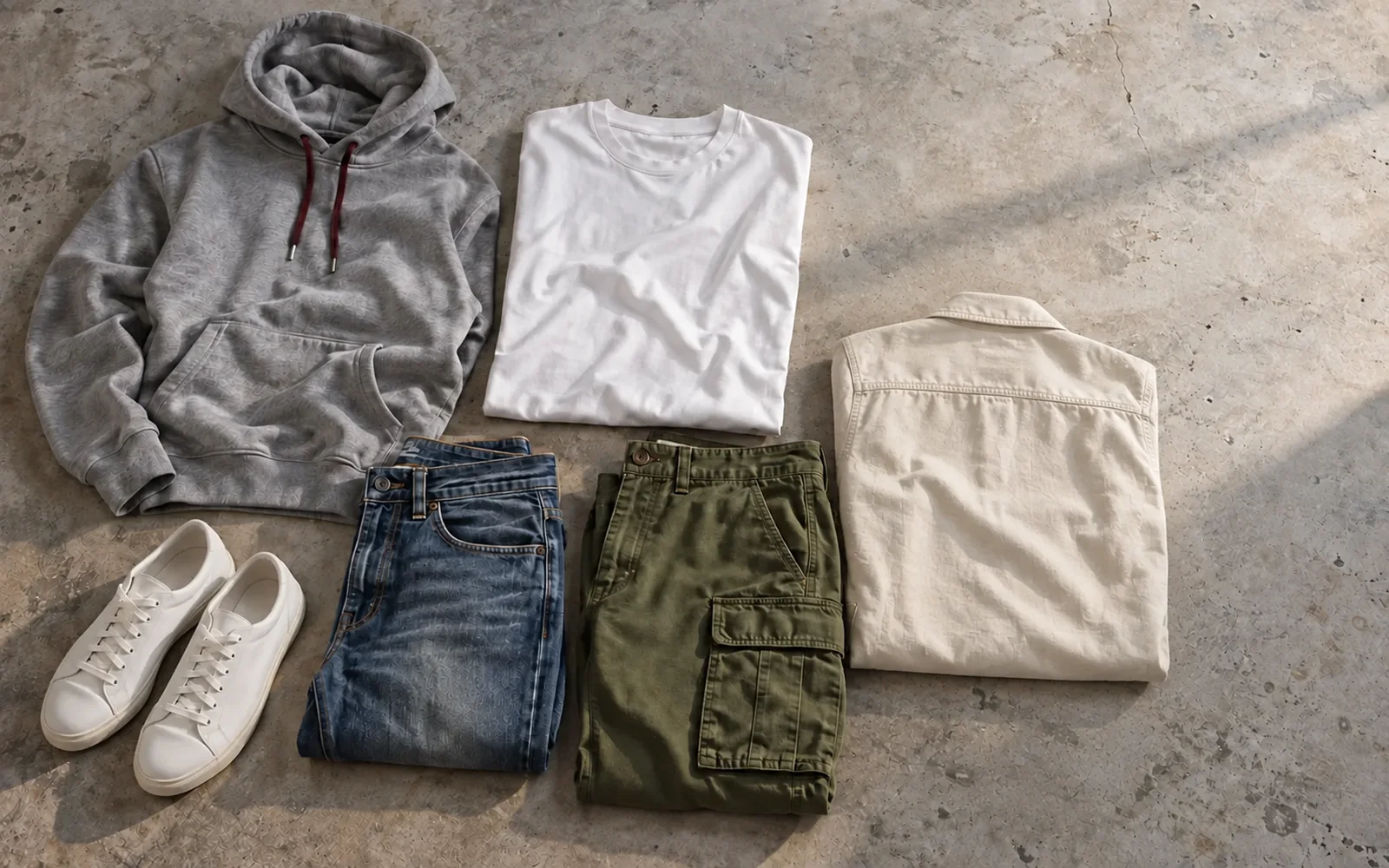
| Standard ticketed play, musical, opera or ballet | Breathable smart-casual base (dark jeans, cotton chinos, midi skirt or relaxed trousers with a shirt or fine knit); sunglasses and hat stored in a small bag before entry | Office trousers, blouse, shirt or tailored dress worn straight from work; swap a heavy laptop backpack for an under-A4 crossbody bag or allow time for the cloakroom | Cocktail dress, jumpsuit, dark suit or sharp separates with a soft mid-layer; choose fabrics with enough give for a two-to-three-hour sit |
| Opening night, gala, hospitality box or stated invitation code | Follow the daytime code on the invitation (often lounge suit, smart day dress or tailored separates); avoid casual denim unless explicitly permitted | Change out of commuting gear if the invitation specifies cocktail or black tie; confirm cloakroom hours for your work bag and coat | Match the stated invitation tier (cocktail, lounge suit or black tie); pair formal hemlines with stable closed-toe heels, loafers or dress boots |
If you are hiring a cocktail dress or formal piece for an opening night or gala rather than wearing something from your wardrobe, use our Melbourne dress hire try-on checklist to test seated comfort and hem height before the event date. For everyday city outfits built around dark bases and removable layers, see how locals approach Melbourne street style.
Takeaway: Use smart-casual layers for standard matinees and weeknights, and reserve strict formalwear for nights when your invitation asks for it or you want to dress up.
What keeps you comfortable in the seat and through the foyer?
Even when your outfit looks right in the mirror at home, theatre seating, foyer queues and Melbourne’s evening chill test how it wears over three hours. Use this editorial checklist to catch the details that cause trouble after the doors close.
- Test the waistband and seams sitting down: The Australian Ballet specifically warns against a “niggling tight seam” that distracts you during the show. Sit down at home in your chosen trousers, skirt or fitted dress for two minutes; if the waistband digs in or the neckline pulls when you lean forward, switch to a cut with more ease.
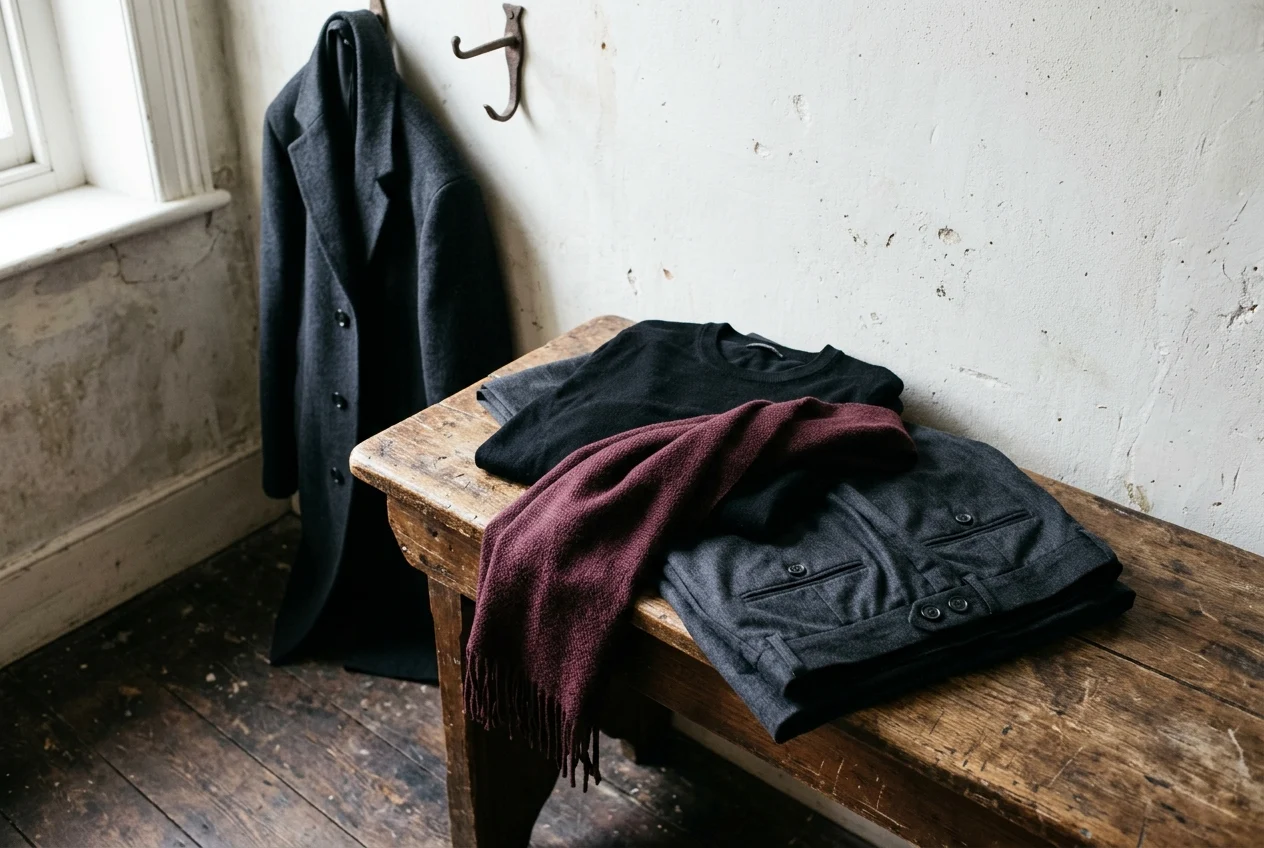
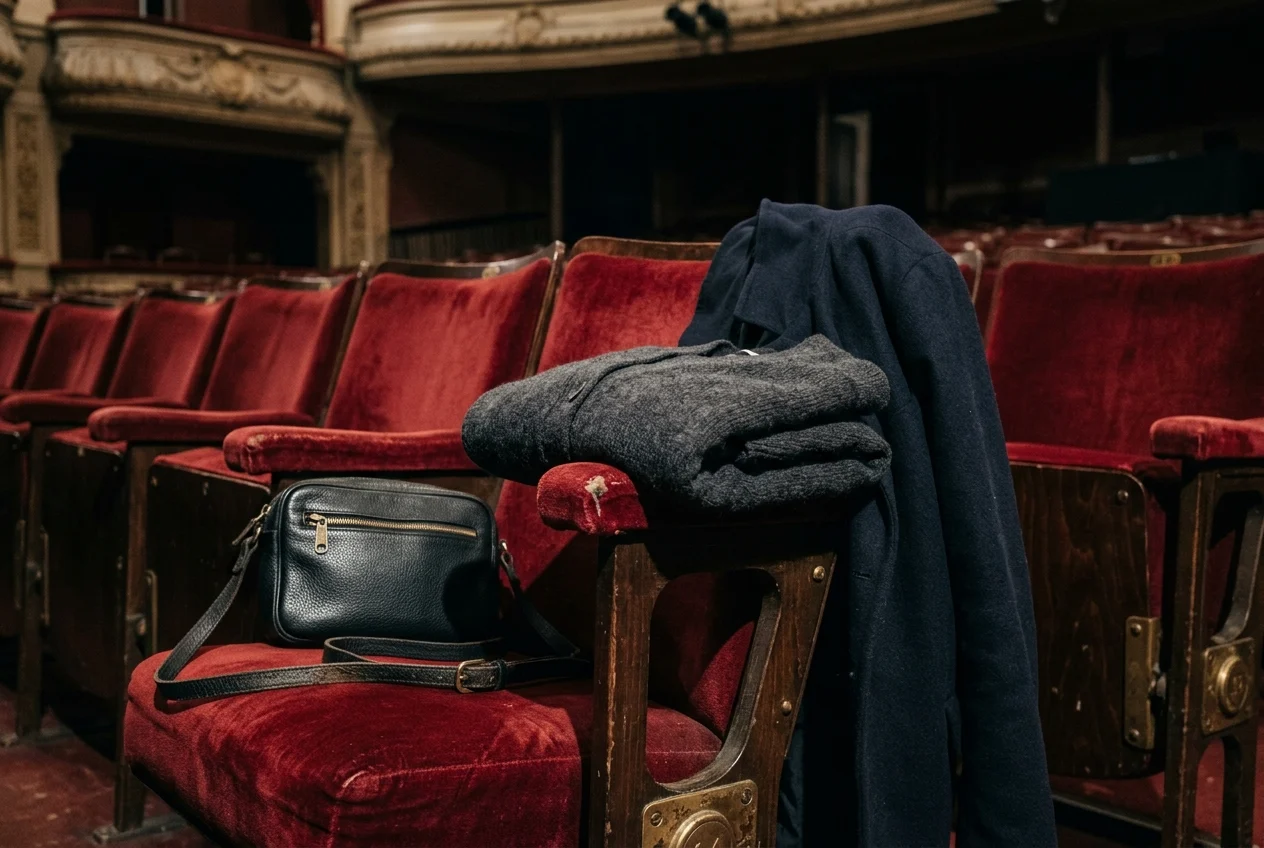
- Pack a quiet, foldable mid-layer for the auditorium: Opera Australia notes that it can get cold inside the theatre and suggests an extra layer. A fine merino cardigan, soft blazer, pashmina or unstructured knit shawl can sit on your shoulders or fold silently onto your lap, whereas a stiff puffer jacket or crinkly waterproof shell takes up armrest space and makes noise when you move.
- Plan where a heavy coat, umbrella and work bag will go: At Marriner Group theatres (Regent, Princess and Comedy), bags larger than A4 size and umbrellas are listed as prohibited inside the auditorium and must be cloaked. Melbourne Theatre Company provides a free cloakroom next to the box office at Southbank Theatre and recommends avoiding large bags or bulky items. Because both Opera Australia and The Australian Ballet hold latecomers outside the doors until a suitable break in the performance, arrive early enough to clear security and the cloakroom queue before the bells ring.
- Wear closed-toe, walkable shoes with grip: Marriner Group recommends proper footwear for safety and asks patrons to avoid thongs/flip-flops. Between wet bluestone footpaths, tram stops and steep dress-circle or balcony stairs, leather loafers, ankle boots, dress flats or low block heels are safer and warmer than thin open sandals.
- Skip heavy perfume or cologne: Opera Australia explicitly asks audiences to avoid strong fragrances in the theatre, where rows are close and air circulation is shared for hours. Keep evening grooming clean and understated; our street style makeup guide covers wearable city finishes that do not rely on scented products.
When your afternoon travel into the CBD and your walk out of the theatre after 10 p.m. cross two different temperature bands, apply Step 2 of the streetwear weather check: dress your base layer for the indoor auditorium and carry your outer coat for the coldest outdoor stretch.
Pre-departure check: confirm your ticket and venue conditions before you leave
Spend two minutes checking these five items on your ticket, pre-show email and venue website before you get dressed. Leave any unconfirmed row blank until you check the official page for your performance.
| Item to check | Where to verify it | What it changes in your outfit and timing |
|---|---|---|
| Event type (standard season vs special function) | Ticket tier, hospitality confirmation or event invitation | Decides whether standard smart-casual/denim acceptance applies or a host dress code is required |
| Auditorium vs outdoor stage | Production page and pre-show email (Opera Australia notes outdoor stages separately) | Outdoor performances require warm, weather-proof outerwear rather than a light indoor cardigan |
| Bag-size and umbrella rules | Venue Conditions of Entry (e.g., Marriner Group’s A4 bag limit and umbrella restriction) | Determines whether you can carry your bag to your seat or must join the cloakroom queue before doors close |
| Start time, running time and latecomer policy | Ticket face and pre-show guide email | Sets your arrival buffer so cloakroom drop-off or wet-weather transit does not lock you out until interval |
| Stairs and seating level | Seat allocation (Stalls vs Dress Circle / Grand Circle) and venue access page | Steep upper-circle steps and heritage foyers reward stable, closed-toe footwear |
Scope, sources and how we checked these rules
We reviewed the official audience guides, FAQs and conditions of entry linked in the sources list on 17 October 2026 from Opera Australia, The Australian Ballet, What’s On Melbourne (City of Melbourne), Marriner Group and Melbourne Theatre Company. Those documents support the published dress code statements, footwear advice, fragrance etiquette, latecomer rules and bag/cloakroom conditions cited above. We have not conducted on-site auditorium temperature measurements or tested cloakroom queue times, and the outfit matrix and seated-comfort checklist are our editorial recommendations. Because individual productions, touring promoters and private functions can update their entry terms, always check your pre-show email and the venue’s current conditions of entry before travelling.